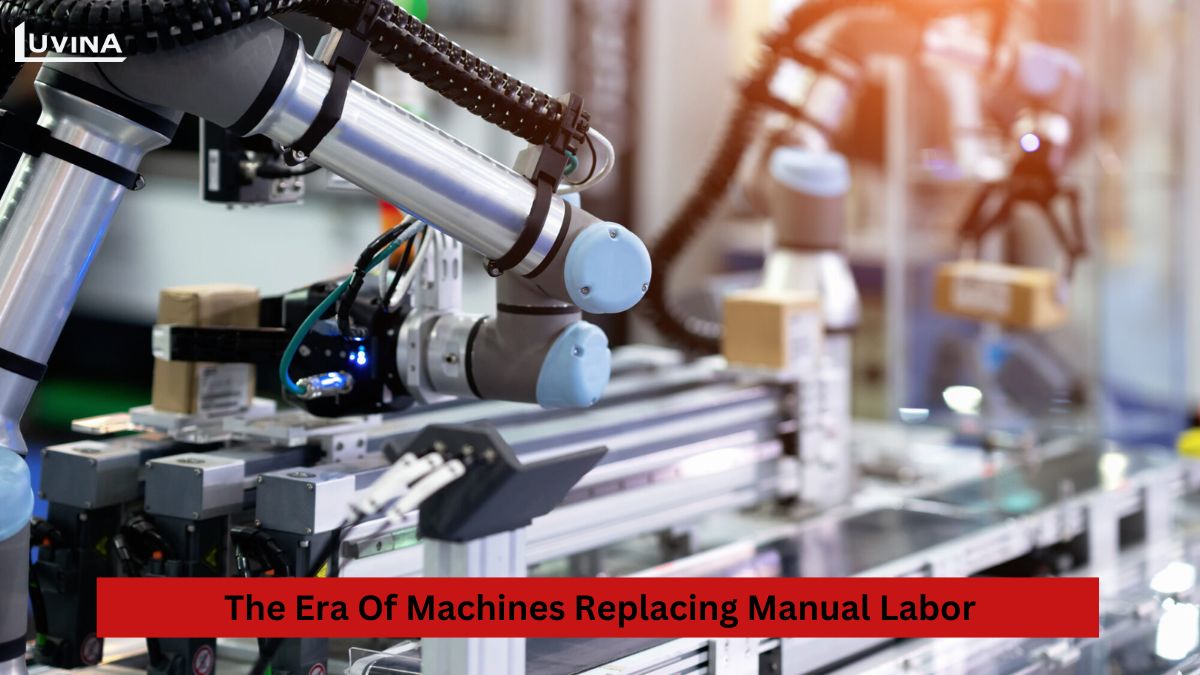
Digital transformation in manufacturing is no longer a “plus”. It is a survival mandate. According to McKinsey & Company, digital initiatives in this sector can boost productivity by 10% to 30%, improve quality costs by 10% to 20%, and slash equipment downtime by up to 50% (McKinsey, 2024).
However, despite these compelling figures, Gartner reports that only about 33% of manufacturing leaders have scaled their digital improvements across the entire enterprise. This gap represents a massive opportunity for those ready to move beyond “pilot purgatory.”
What is Digital Transformation in Manufacturing?
Digital transformation in manufacturing is the process of replacing manual or paper-based processes with digital tools and automation technologies to increase business value. Key goals of digital transformation for manufacturing companies often include:
– Cost optimization
– Enhanced quality and compliance
– smart factory transformation Improved sustainability
– Boosted productivity and employee retention
Digital transformation in manufacturing is an inevitable trend in the Industry 4.0 era. To achieve these goals, the manufacturing industry’s digital transformation typically involves support from various modern technologies such as the Internet of Things, manufacturing analytics, AI and machine learning, activity tracking, paperless digital transformation in industrial manufacturing manufacturing solutions, and robust digital transformation in manufacturing strategies.
Digital transformation, being a broad business strategy, can be applied across industries, creating breakthrough opportunities in digital technology. More specifically, digital transformation in manufacturing is extremely instrumental for companies in their efforts to maximize revenue, reduce costs, improve quality, and become more flexible.